
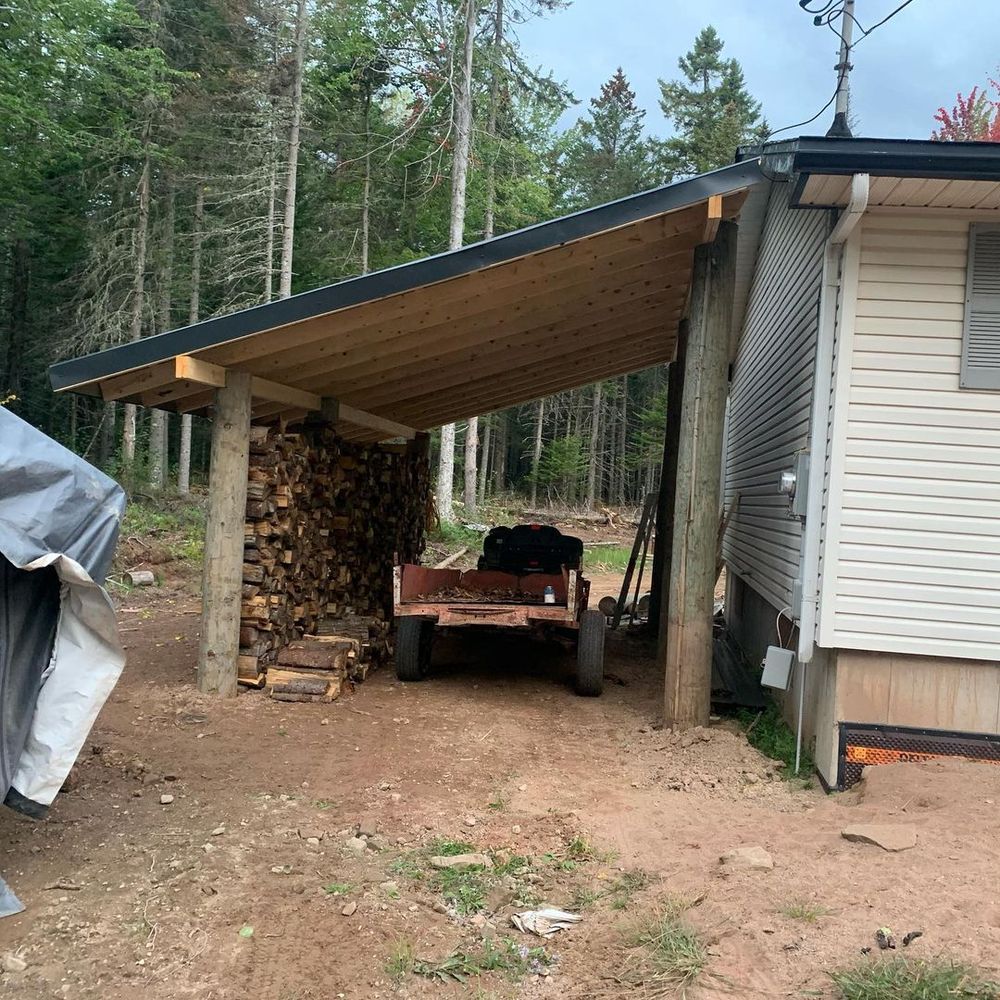
Constructing a Lean-To Shed: A Comprehensive Guide to Backyard Enhancement
This comprehensive guide details the process of constructing a lean-to shed from scratch, providing a detailed, step-by-step approach for achieving a functional and aesthetically pleasing addition to your backyard. The instructions are designed to be accessible to those with basic carpentry skills, emphasizing safety and precision throughout the construction process. While the project requires time and effort, the rewarding outcome of a custom-built shed will significantly enhance your property's utility and visual appeal.
Phase 1: Planning and Preparation
Thorough planning is paramount to a successful shed construction. This phase involves determining the shed's dimensions, securing necessary permits, sourcing materials, and preparing the site for construction.
1.1 Determining Dimensions and Design
The first step is to define the desired dimensions of your lean-to shed. Consider the intended use; a larger shed accommodates more storage, while a smaller one requires less material and effort. Important factors include the available space against the supporting structure (house, fence, etc.), local building codes regarding shed size and setbacks, and personal storage needs. Sketch a detailed plan, including measurements for the base, walls, and roof. Consider the roof pitch; a steeper pitch is better for shedding snow and rain but requires more materials. Document all dimensions and specifications meticulously.
1.2 Obtaining Necessary Permits
Before commencing construction, check with your local building authority to determine if permits are required for your project. Permits often depend on shed size, location, and materials used. Obtaining the necessary permits ensures compliance with local regulations and avoids potential legal issues. The application process may involve submitting your shed plans for review and paying associated fees.
1.3 Sourcing Materials and Tools
Creating a detailed materials list is crucial. The quantity of materials will directly correlate with the shed's dimensions. Essential materials typically include pressure-treated lumber for the base and framing, roofing materials (e.g., asphalt shingles, metal roofing), plywood or OSB for sheathing, fasteners (nails, screws), waterproof membrane, and paint or stain for exterior finishing. It is recommended to purchase slightly more material than initially calculated to account for potential errors or unforeseen needs.
Essential tools required for construction include a measuring tape, level, saw (circular saw or hand saw), hammer, drill, screwdriver, shovel, post hole digger (if required), safety glasses, and work gloves. Consider renting power tools if purchasing them is not feasible.
1.4 Site Preparation
The construction site must be adequately prepared. This involves clearing the area of debris, vegetation, and any obstructions that may impede construction. Level the ground using a shovel or grading tools to create a stable and level base for your shed. Mark the dimensions of the shed's foundation on the ground using string and stakes. Consider the drainage around the shed to avoid water accumulation.
Phase 2: Foundation and Framing
This phase focuses on building the foundation and the framing structure of the lean-to shed, forming the skeletal structure that will support the walls and roof.
2.1 Building the Base
A solid foundation is vital for the shed's stability. Depending on the ground conditions, several foundation options exist: a concrete slab, a gravel base, or pressure-treated lumber supports. For a lean-to shed, a pressure-treated lumber base is often sufficient. Construct a frame using pressure-treated 4x4 or 6x6 lumber, ensuring levelness and squareness throughout the process. The frame should be slightly larger than the shed's dimensions to accommodate the walls.
2.2 Wall Framing
Construct the wall frames using pressure-treated lumber. Typically, 2x4 lumber is used for wall studs. Cut the studs to the appropriate height and space them evenly. Use a level to ensure vertical alignment. Attach the studs to the base frame using appropriate fasteners. Consider adding bracing for additional stability, particularly in areas prone to high winds.
2.3 Roof Framing
The roof framing involves constructing rafters to support the roofing material. Determine the roof pitch and cut the rafters accordingly. Attach the rafters to the wall frames and the supporting structure (house, fence) using appropriate fasteners. Ensure proper spacing and alignment of the rafters. Consider using a ridge board at the peak of the roof for added strength and support.
Phase 3: Sheathing, Roofing, and Finishing
This phase involves covering the framed structure with sheathing, installing the roofing material, and adding the finishing touches to complete the shed.
3.1 Wall Sheathing
Attach plywood or OSB sheathing to the exterior wall frames. Ensure proper alignment and secure fastening. This sheathing provides structural integrity and a surface for exterior finishing.
3.2 Roofing Installation
Install a waterproof membrane over the roof rafters before applying roofing material. This prevents water infiltration. Install the chosen roofing material (e.g., asphalt shingles, metal roofing) following the manufacturer's instructions. Ensure proper overlapping and secure fastening.
3.3 Exterior Finishing
Apply paint or stain to the exterior walls and trim to protect the wood from the elements and enhance the shed's aesthetic appeal. Choose weather-resistant paint or stain designed for exterior use. Consider adding additional features such as gutters and downspouts to manage rainwater effectively.
3.4 Door and Window Installation (Optional)
If desired, install a door and/or windows to provide access and ventilation. Follow the manufacturer's instructions for installation, ensuring proper sealing to prevent drafts and leaks.
Phase 4: Inspection and Completion
Once construction is complete, conduct a thorough inspection to ensure that all components are securely fastened and that there are no visible defects or potential issues. Address any necessary repairs or adjustments before considering the project finished.
Important Considerations:
- Always prioritize safety. Wear appropriate personal protective equipment (PPE), including safety glasses and gloves.
- Ensure compliance with all local building codes and regulations.
- Use high-quality materials to ensure longevity and durability.
- Take your time and work methodically to avoid errors.
- If you lack experience in carpentry, consider seeking assistance from a professional.
By following these steps, you can successfully construct a lean-to shed that will enhance your backyard's functionality and aesthetic appeal for years to come. Remember that careful planning, meticulous execution, and attention to detail are key to achieving a rewarding outcome.
Sign up here with your email
ConversionConversion EmoticonEmoticon
Note: only a member of this blog may post a comment.