
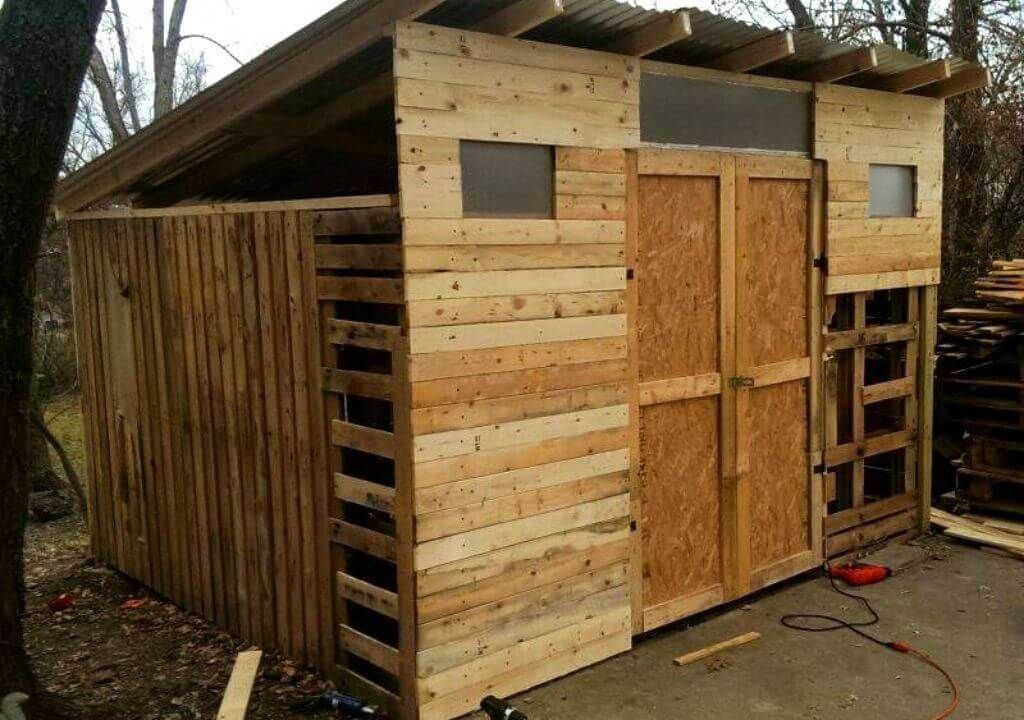
DIY Pallet Shed Plans: Affordable and Creative Storage for Your Yard
The allure of a neatly organized yard, free from the clutter of garden tools, outdoor furniture, and seasonal items, is undeniable. However, the cost of purchasing a pre-fabricated shed can often be prohibitive. This article presents a comprehensive guide to constructing a DIY pallet shed, offering a cost-effective and aesthetically pleasing solution for your outdoor storage needs. By utilizing reclaimed pallets, you can create a functional and unique structure that complements your landscape while minimizing environmental impact.
Planning Your Pallet Shed Project
Before embarking on the construction, meticulous planning is paramount to ensure a successful outcome. This phase involves several crucial steps:
Determining Shed Dimensions and Location
The dimensions of your shed should be dictated by your storage requirements and the available space in your yard. Consider the types of items you intend to store and their respective sizes. Accurate measurements are vital to ensure adequate space and prevent overcrowding. The chosen location should be level, accessible, and compliant with local building codes and regulations. Factors such as proximity to power sources, drainage, and sunlight exposure should also be taken into account.
Gathering Materials and Tools
The foundation of your pallet shed lies in acquiring the necessary materials and tools. This requires careful consideration and a detailed list to avoid delays and unnecessary expenditures. While reclaimed pallets are the primary component, you will also need:
- Sufficient number of pallets: The quantity depends directly on the shed's dimensions and desired structural integrity. Inspect each pallet for damage and ensure they are of consistent size and quality.
- Foundation materials: Options include concrete slabs, gravel bases, or treated lumber for a raised platform. The choice depends on the soil conditions and the shed's weight.
- Roofing materials: Consider asphalt shingles, corrugated metal sheets, or even recycled materials like plastic sheeting. The selection should align with your budget and aesthetic preferences.
- Fasteners: Galvanized nails, screws, and appropriate hardware are crucial for secure assembly. Use weather-resistant options for enhanced durability.
- Treatment materials (optional): To protect the wood from the elements, consider using a weatherproof sealant or paint. This step will significantly extend the life of your shed.
- Tools: A basic toolkit including hammers, screwdrivers, measuring tape, level, saw (circular saw or hand saw), drill, and safety glasses is essential.
Obtaining Necessary Permits
Depending on your location and the size and complexity of your shed, you may need to obtain building permits. Contact your local authorities to inquire about necessary permits and regulations. Failure to comply with local building codes could result in fines or even the demolition of the structure.
Construction of the Pallet Shed: A Step-by-Step Guide
The construction process comprises several distinct stages, each demanding precision and attention to detail:
Foundation Preparation
Begin by preparing a level foundation. Whether you opt for a concrete slab, gravel base, or raised platform, ensure the surface is stable and capable of supporting the weight of the shed. This is crucial for preventing settling and structural damage over time. Proper drainage around the foundation should also be considered to prevent water accumulation.
Framing and Wall Construction
Once the foundation is ready, begin assembling the pallet walls. This process involves strategically arranging and securing the pallets. Ensure the pallets are aligned properly and securely fastened to each other using appropriate fasteners. Consider using additional supports or bracing for added strength, especially for larger structures. Pay close attention to creating a square and level structure throughout this process.
Roof Construction
The roof structure depends on the chosen roofing material. For simpler designs, you might use a gable roof, which is relatively easy to construct using additional lumber or repurposed pallets. More complex roof designs may require advanced carpentry skills. Ensure the roof is properly sloped to facilitate water runoff, preventing water damage. Secure the roofing material firmly to the frame, paying attention to overlapping to create a watertight seal.
Door and Window Installation (Optional)
Adding a door and windows enhances the shed's functionality and aesthetic appeal. For the door, you can utilize additional pallets or purchase a pre-made door that fits the dimensions of the opening. Windows can be purchased or constructed using repurposed materials. Ensure proper sealing around the door and window frames to prevent drafts and water ingress.
Finishing Touches
Once the main structure is complete, focus on the finishing touches. This might involve applying a weatherproof sealant or paint to protect the wood from the elements. Consider adding additional features like shelves, hooks, or other storage solutions to maximize the interior space. A final clean-up will complete the project, leaving you with a functional and attractive storage solution.
Safety Precautions and Considerations
Safety should be a top priority throughout the entire project. Always wear appropriate safety gear, including safety glasses, gloves, and sturdy work boots. Use caution when handling power tools and follow all manufacturer's instructions. Ensure proper ventilation when working with paints and sealants. If you are not comfortable with certain aspects of the construction process, seek assistance from an experienced professional.
Advantages of a DIY Pallet Shed
Building a DIY pallet shed offers several compelling advantages:
- Cost-effectiveness: Utilizing reclaimed pallets significantly reduces material costs compared to traditional shed construction.
- Environmental friendliness: Reclaiming pallets promotes sustainability by diverting waste from landfills.
- Customization: You can tailor the design and dimensions of your shed to perfectly meet your specific needs.
- Aesthetic appeal: A well-constructed pallet shed can add a rustic charm to your yard.
- Sense of accomplishment: Completing a DIY project provides a strong sense of personal satisfaction.
In conclusion, constructing a DIY pallet shed is a viable and rewarding project for those seeking an affordable and environmentally responsible storage solution. With careful planning, meticulous execution, and a commitment to safety, you can create a functional and aesthetically pleasing addition to your outdoor space.
Sign up here with your email
ConversionConversion EmoticonEmoticon
Note: only a member of this blog may post a comment.