
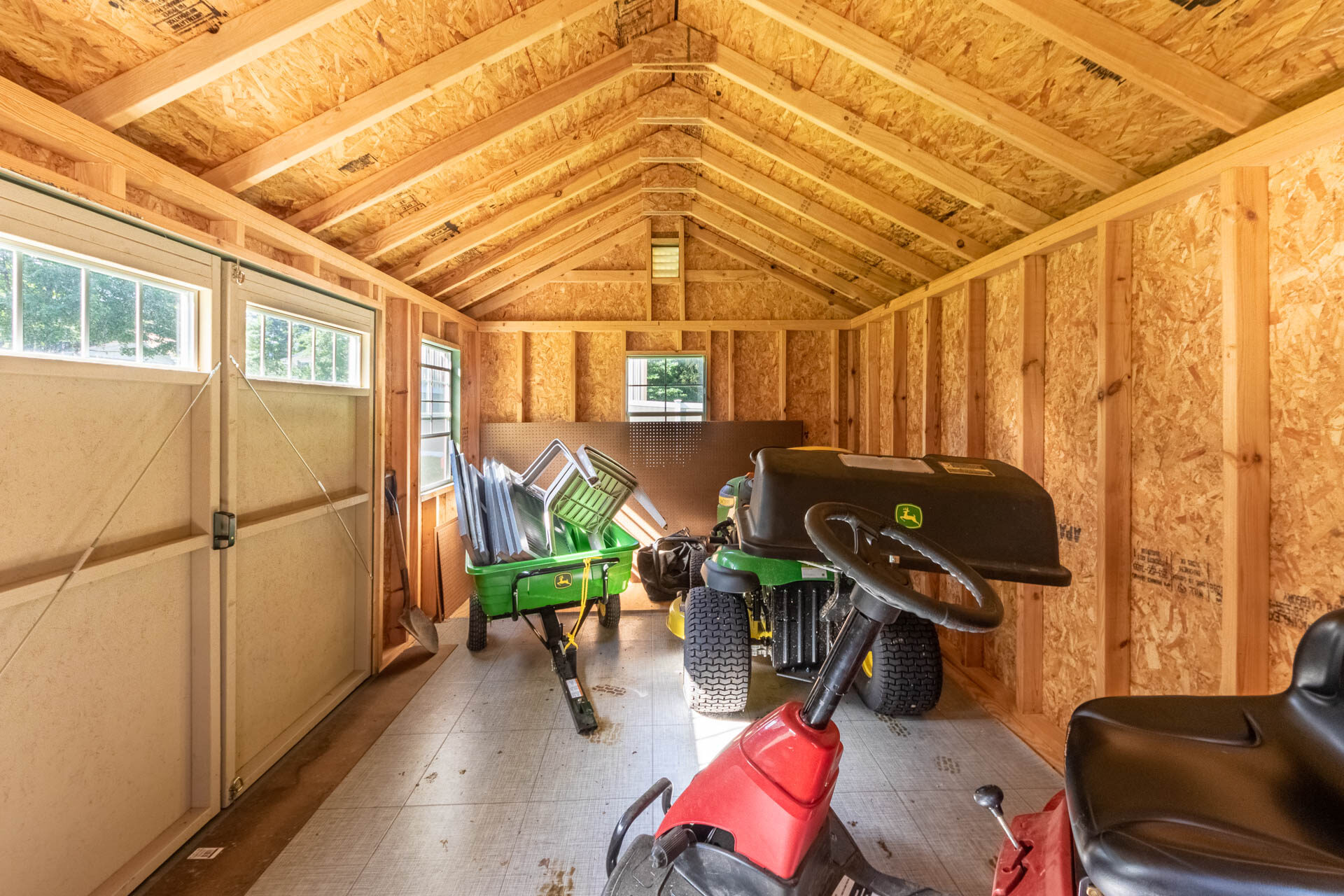
Efficiently Building a 10x16 Shed with 8-Foot Ceilings: A Step-by-Step Guide
Building your own shed can be an incredibly rewarding experience, offering a sense of accomplishment alongside a valuable addition to your property. This comprehensive guide will walk you through the process of constructing a sturdy and functional 10x16 shed with 8-foot ceilings, highlighting efficiency tips to ensure a smooth and successful build. From preparing the site to finishing the interior, this article will equip you with the knowledge and strategies to confidently tackle your shed project.
1. Planning and Preparation: Laying the Foundation for Success
1.1 Defining Your Needs
Begin by clearly defining the purpose of your shed. Will it house tools, garden equipment, a workshop, or a combination of these? This will determine the layout, features, and materials you'll need. Sketching a basic floor plan and noting storage needs will provide a visual guide throughout the building process.
1.2 Site Selection and Permits
Choose a level and accessible location for your shed, considering sunlight, drainage, and proximity to your house or other structures. Check local building codes and obtain necessary permits before commencing construction. This ensures your project complies with regulations and avoids potential issues down the line.
1.3 Gather Materials and Tools
Creating a comprehensive materials list will streamline the process. Estimate the quantities required based on your design, ensuring you have enough for framing, siding, roofing, windows, and doors. Assemble the necessary tools, including a circular saw, drill, hammer, tape measure, level, and safety gear.
2. Building the Foundation: A Solid Base for Your Shed
A robust foundation is crucial for a long-lasting and stable shed. Here's a breakdown of the construction process:
2.1 Preparing the Site
Clear the chosen site of any vegetation, debris, and uneven terrain. Mark out the 10x16 footprint for your shed using stakes and string, ensuring squareness with a measuring tape. Excavate a trench for the foundation, adjusting depth based on local frost lines.
2.2 Installing Concrete Piers
For stability and drainage, concrete piers are often preferred. Place pre-cast concrete piers within the marked area, spacing them at 8-foot intervals for maximum support. Ensure they are level using a spirit level before pouring concrete around their base.
2.3 Constructing a Concrete Slab
Alternatively, you can opt for a solid concrete slab foundation. After clearing and leveling the site, pour a 4-inch thick concrete slab, ensuring it's reinforced with rebar for added strength. Allow ample curing time before proceeding to the next step.
3. Framing the Shed: Building the Skeleton
The framing process creates the structural integrity of your shed. This step involves assembling the walls and roof, ensuring proper dimensions and stability.
3.1 Framing the Walls
Construct the walls using 2x4 studs, positioned 16 inches on center for optimal strength. Cut the studs to the 8-foot height, ensuring plumbness using a level. Attach the bottom plate to the foundation, followed by the top plate, creating a rigid frame for each wall. Utilize a framing square to guarantee accurate corner angles.
3.2 Building the Roof
Depending on your design, choose between a gable or shed roof. For a gable roof, cut and install rafters to the desired pitch, supporting them with a ridge board at the center. For a shed roof, create a series of roof joists, attaching them to the top plates of the walls. Secure the roof sheathing to the rafters or joists, creating a smooth surface for roofing.
4. Sheathing and Siding: Creating a Protective Envelope
Once the frame is complete, you'll need to create a weather-resistant shell for your shed. This step involves sheathing the walls and roof, followed by applying siding.
4.1 Installing Sheathing
Apply plywood or OSB sheathing to the exterior walls and roof, ensuring it's secured using nails or screws. This sheathing provides structural support and a smooth surface for the siding.
4.2 Applying Siding
Choose your desired siding material, ranging from affordable vinyl to durable wood. Install the siding according to the manufacturer's instructions, ensuring proper overlap and alignment. Consider adding house wrap or a moisture barrier beneath the siding for enhanced weather resistance.
5. Roofing and Trim: Completing the Exterior
The roof is the final layer of protection for your shed, while trim adds aesthetic appeal. This step involves choosing and installing your roofing material, followed by adding finishing touches.
5.1 Installing Roofing
Select a roofing material that suits your needs and budget, from asphalt shingles to metal roofing. Install the chosen roofing according to the manufacturer's guidelines, ensuring proper flashing around vents and chimneys. Finish by installing drip edge around the perimeter of the roof for protection.
5.2 Adding Trim
Enhance the appearance of your shed with trim. Install fascia boards along the roof overhangs, soffit beneath the eaves, and corner boards for a polished look. Add window and door trim to complete the exterior detailing.
6. Installing Doors and Windows: Enhancing Functionality
Doors and windows provide access and natural light. Choose a door that suits your needs, considering single or double doors, and a style that complements your shed's aesthetic. Install windows that maximize natural light while ensuring privacy and safety. Use weatherstripping to enhance energy efficiency.
7. Finishing the Interior: Creating a Usable Space
Once the exterior is complete, focus on creating a functional and comfortable interior. This involves adding insulation, drywall, flooring, and any desired features.
7.1 Adding Insulation
For enhanced comfort and energy efficiency, consider adding insulation to the walls and ceiling. Use fiberglass batts or blown-in insulation, ensuring proper installation according to the manufacturer's guidelines.
7.2 Installing Drywall
Apply drywall to the walls and ceiling for a smooth finish. Secure the drywall using screws, followed by taping and mudding joints for a seamless appearance. Finish with primer and paint to create a clean and welcoming interior.
7.3 Installing Flooring
Choose a flooring material that suits your needs, ranging from concrete to wood or composite flooring. Ensure proper subfloor support and install the flooring according to the manufacturer's instructions. This step completes the functional and aesthetic aspects of your shed's interior.
8. Final Touches: Adding Personalization
After the essential construction is complete, add personal touches to enhance your shed's functionality and aesthetic appeal.
8.1 Electrical Work
Install electrical outlets and lighting fixtures as needed, ensuring compliance with local electrical codes. Consider adding a ceiling fan for improved ventilation. Consult a qualified electrician for professional installation.
8.2 Storage and Organization
Maximize your shed's storage capabilities by adding shelves, pegboards, and tool organizers. Consider installing a workbench for crafting or repairs. Utilize vertical space effectively to optimize storage efficiency.
8.3 Personalization
Add a personal touch by painting the exterior or interior in your preferred colors. Consider adding a doormat, window treatments, or decorative accents to reflect your style and enhance the shed's overall charm.
Conclusion: A Well-Built and Functional Shed
By following this comprehensive guide, you can confidently build a 10x16 shed with 8-foot ceilings. This process requires careful planning, attention to detail, and a commitment to quality construction. Your newly built shed will provide a valuable addition to your property, offering practical storage, a dedicated workshop space, or a peaceful retreat for relaxation. Enjoy the fruits of your labor, and savor the satisfaction of creating something tangible and functional.
Sign up here with your email
ConversionConversion EmoticonEmoticon
Note: only a member of this blog may post a comment.